Reduction of pathogenic autoantibodies
Reduces the quantity of autoantibodies, such as immunoglobulin G and immunoglobulin M.
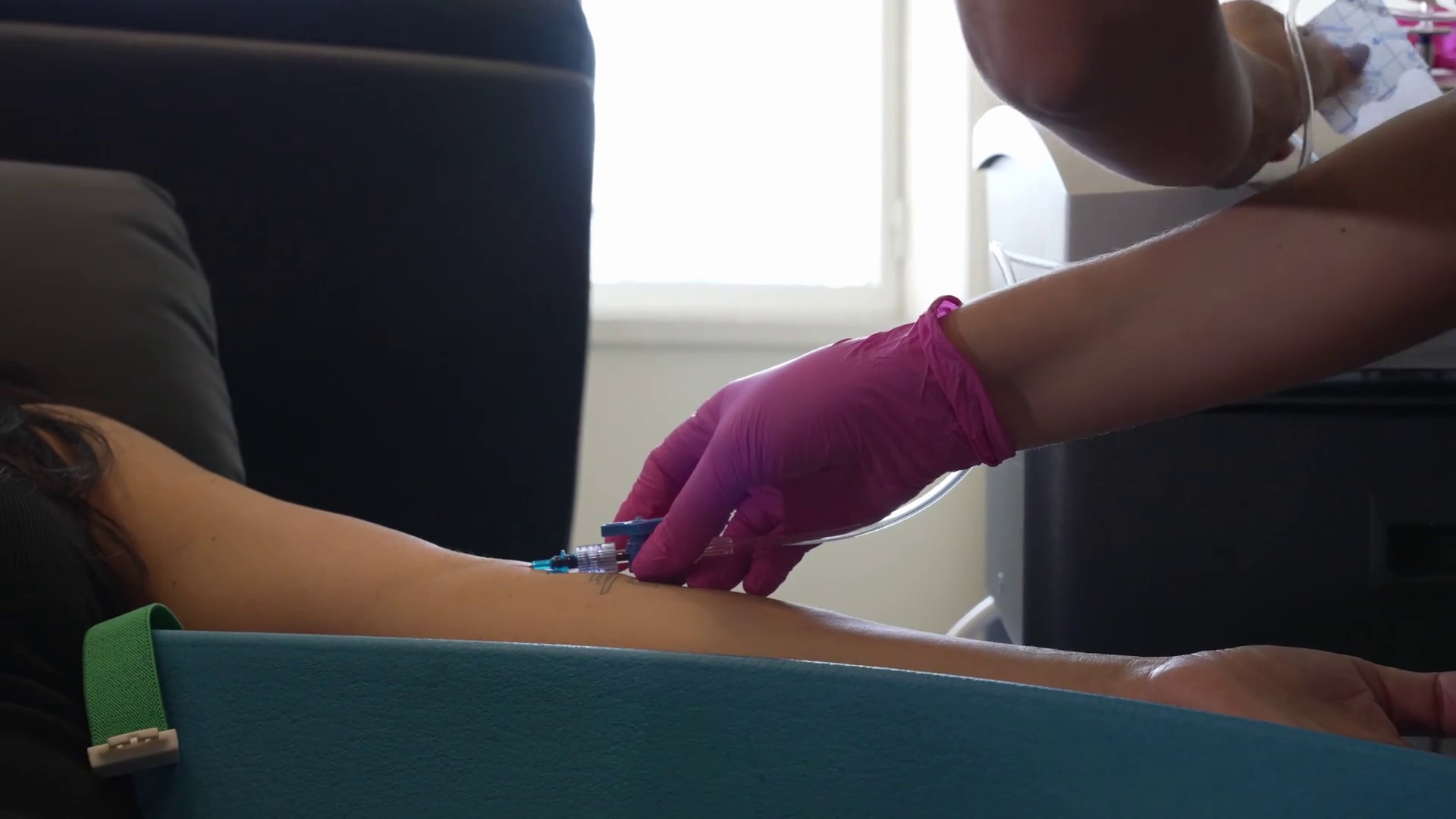
During a plasmapheresis session, a centrifuge or equivalent device removes a portion of the blood plasma, separating macromolecules responsible for blood pathologies from the patient's blood with a therapeutic aim.
The substances removed include alloantibodies, autoantibodies, cytokines, toxins, monoclonal proteins, lipoproteins and other plasma components associated with blood disorders.
These devices have been modernised, leading to greater sophistication in the biomedical engineering of plasmapheresis, with the creation of therapeutic plasmapheresis using nanomembranes, nanopores that allow a more specific and less traumatic filtration of the blood.
The American Society for Apheresis (ASFA) evaluates the clinical indications for plasmapheresis across different medical fields. In the case of nanomembrane plasmapheresis, its particular characteristics extend the indications to many other applications, including:
Reduces the quantity of autoantibodies, such as immunoglobulin G and immunoglobulin M.
Reduces immune complexes, cryoglobulins and lipoproteins present in the plasma.
With donor plasma, according to the patient's needs.
Reduces cytokines and complement factors associated with inflammatory processes.
Modulates lymphocyte populations, promoting the immunological rebalancing of the body.
Removes exogenous and endogenous toxins accumulated in the body.
Allows rapid and functional organic recovery in the acute phase of many diseases.
Can be used on an ongoing basis in the management of chronic diseases.
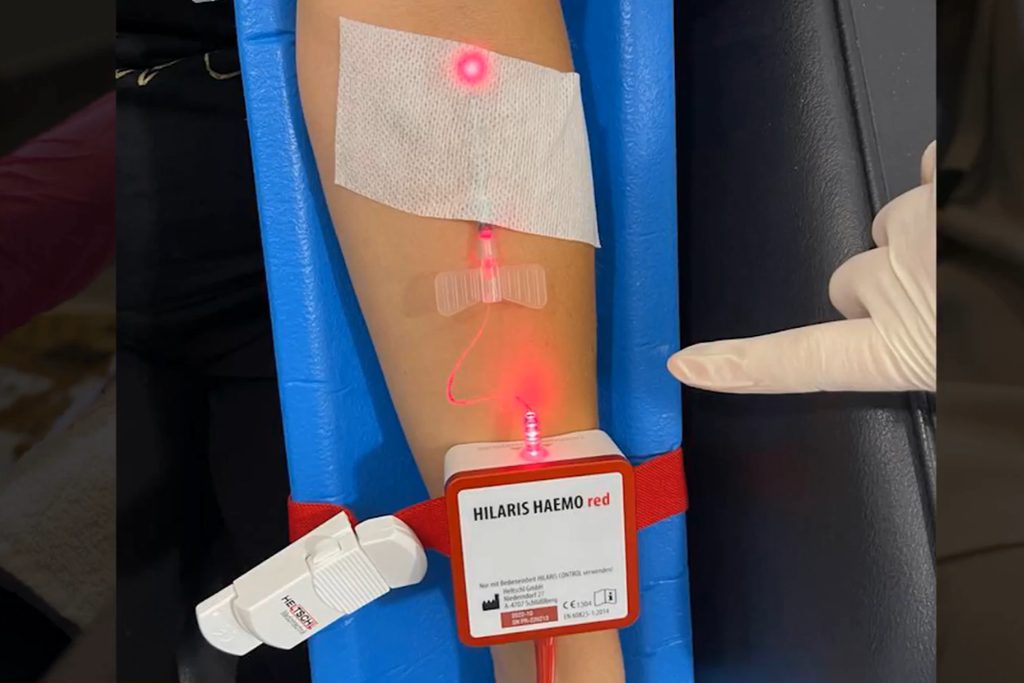
Nanomembrane filtration requires only one needle and a minimal extracorporeal volume.
Extremely important for pre-treatment detoxification prior to the use of mesenchymal stem cells.
Book an appointment to discuss your health goals and discover how Apheresis can help you.