
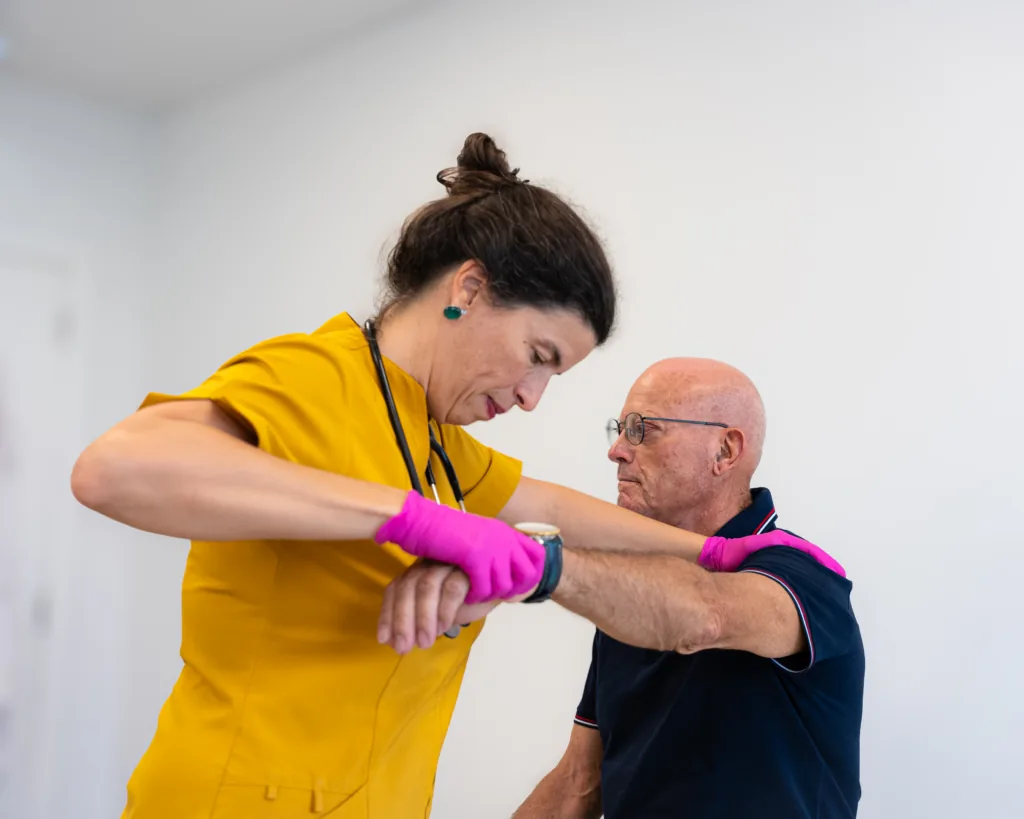
The confusion between conventional, functional and integrative medicine is not semantic: it reflects distinct clinical models, with different reasoning frameworks, consultation times and therapeutic outcomes. Distinguishing them with rigour is an essential exercise in clinical literacy.
Conventional medicine is grounded in the classical biomedical paradigm: nosological diagnosis, therapy directed at the causal mechanism and evaluation by measurable outcomes. It is particularly effective in acute pathology, emergencies and oncology. Its limitations emerge in multifactorial chronic disease and personalised preventive medicine. Areas where the logic of "one agent, one cause" proves insufficient.
Functional medicine, formalised by the Institute for Functional Medicine in the 1990s, inverts the central question: from "what disease does this patient have?" to "why did this patient develop this presentation?". Clinical reasoning reconstructs the web of causes: genetic factors, environmental triggers, inflammatory mediators, that led to the imbalance. The practical result is longer consultations, functional laboratory markers and predominantly non-pharmacological interventions.
Integrative medicine occupies a distinct space: it neither opposes conventional medicine nor is it confused with functional medicine. It proposes the coordinated integration (not the naïve juxtaposition) of conventional, complementary and functional practices, supported by available evidence. A patient with hypertension may simultaneously receive first-line pharmacological therapy, nutritional intervention, stress management and targeted supplementation, all articulated within a single coherent clinical plan. Integrative medicine is not the sum of modalities: it is their intelligent coordination around the patient's clinical narrative.
The three approaches are not mutually exclusive. The mature clinic is one that articulates them without dogmatism, clarifies the distinctions to the patient from the first contact and allows a truly informed choice.