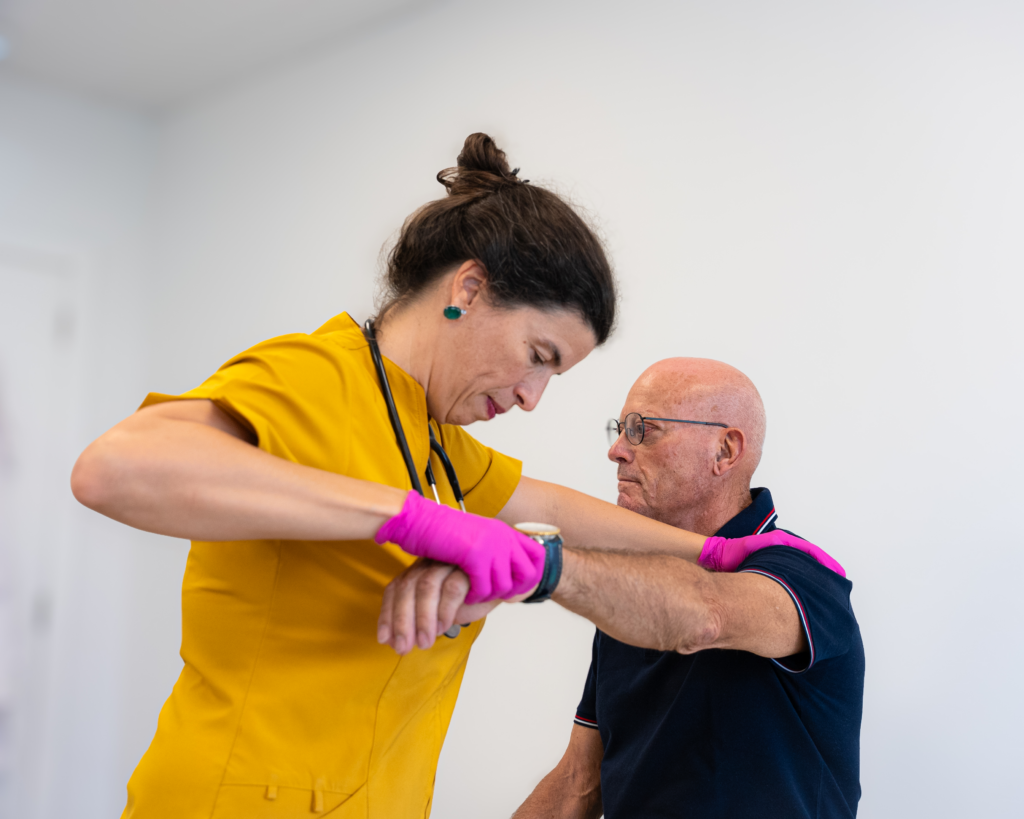


In integrative medicine, a protocol is not a recipe — it is a clinical reasoning architecture. A shared framework that guides assessment, prioritises interventions and preserves the personalisation each patient requires.
Every integrative protocol follows five phases: comprehensive clinical assessment, integrative diagnostic formulation, personalised therapeutic plan, phased implementation and longitudinal monitoring. This structure is what distinguishes a protocol from a one-off prescription.
In cardiology, assessment goes beyond the conventional lipid panel — encompassing systemic inflammation markers, advanced lipoproteins, homocysteine and endothelial function. Intervention combines pharmacological therapy with structured nutrition, physical activity, stress management and supplementation guided by documented deficiency.
In gastroenterology, the focus is the gut-brain axis. The protocol works in three stages: removal of aggravating factors, restoration of microbial balance and intestinal mucosa repair — always in coordination with conventional gastroenterology.
In endocrinology, thyroid and adrenal assessment extends beyond isolated TSH, capturing clinically relevant subclinical dysfunction. Intervention combines, where indicated, conventional hormone therapy with nutritional optimisation and structured circadian rhythm rehabilitation.
In gynaecology, the integrative approach is particularly effective in PCOS, endometriosis and menopausal transition. It combines comprehensive hormonal evaluation, nutritional modification focused on oestrogen metabolism and targeted supplementation.
In neurology, cognitive decline prevention and neuro-inflammatory conditions benefit from protocols integrating sleep optimisation, neuroprotective nutrition, evidence-based supplementation and structured stress management.
The common thread is the productive tension between structure and personalisation: all protocols share an architecture, but the concrete expression of each plan is necessarily unique.